
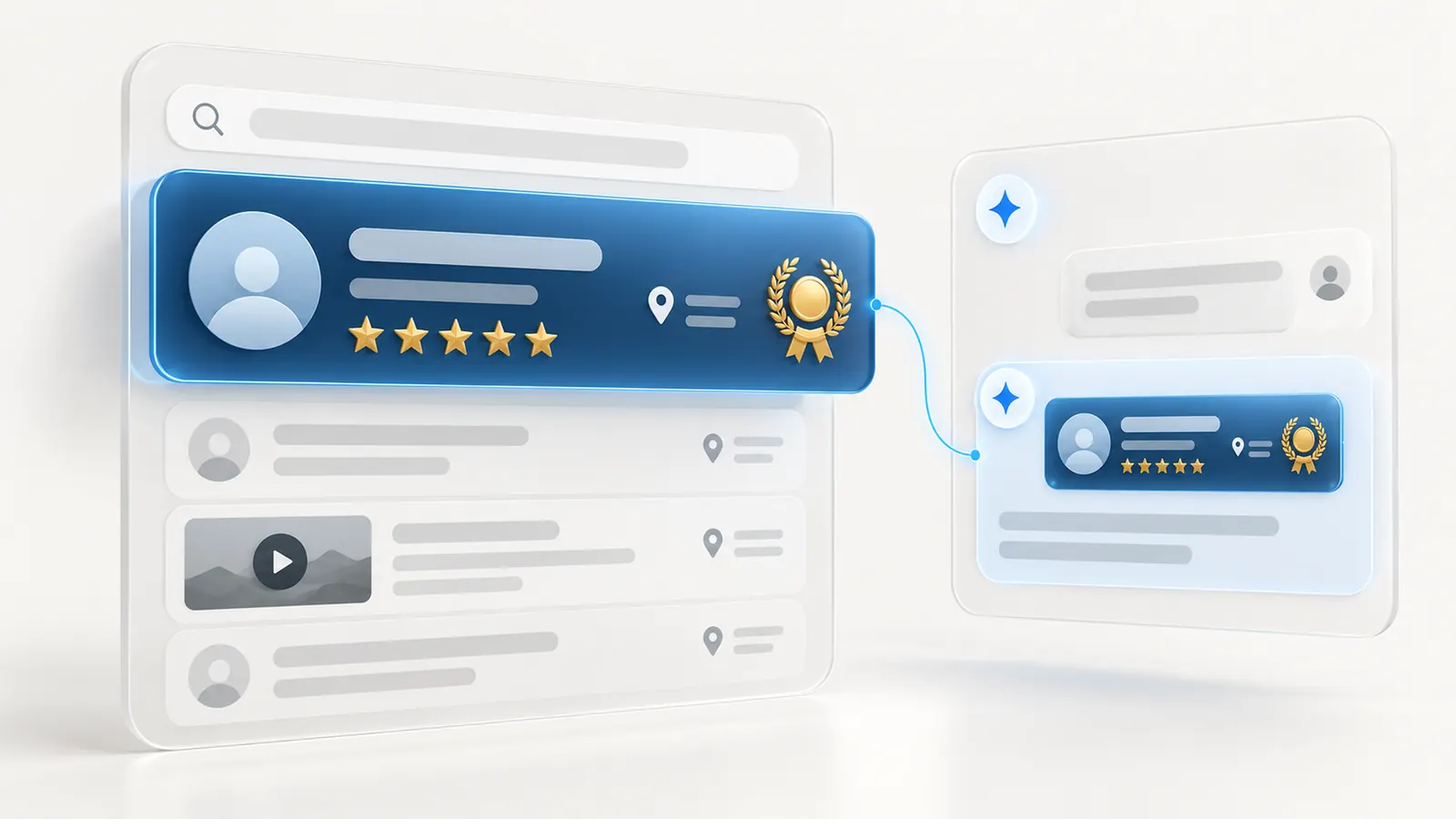
Imagine a homeowner preparing a sale, replacing a roof or choosing a renovation company. They search YouTube, Google or an AI assistant. Later, they search your name because one of the explanations was yours.
Useful search content can introduce your expertise before an enquiry. The next step may be a guide, valuation, project review or stay enquiry. Make that path clear for your business.
You don't need to be everywhere. You need to know where your future clients look for answers, and make sure your best answers are there.
Start with the questions your future clients ask
Don't start with a keyword export. Start with what people already ask you on the phone, by email, during appointments and in the comments.
What do they ask before they understand the problem? What do they compare when they're close to buying? Which words do they use, even if you'd never describe your offer that way?
You may call your service ‘whole-home energy renovation.’ A homeowner searches for ‘replace my roof and insulate the loft.’ A traveller looks for a family villa on specific dates. Use the searcher’s words too.
Pick a small set of topics where you have real experience. For each one, make an answer that would genuinely help somebody. Explain the problem, show an example and be honest about what depends on their situation. That beats fifty thin videos or pages with slightly different titles.
Treat YouTube as a search engine
For businesses that sell something people research before buying, YouTube often does a lot of the work. People search it the way they search Google, with a problem in mind. A video that answers that problem clearly can keep bringing the right viewers long after you publish it.
Use the question as the video title and answer it at the start. Add chapters for longer explanations. In the description, offer a resource, service details or a way to enquire about the project.
Explain your reasoning through a project approved for sharing or a mistake your experience can clarify. A concrete example helps people understand how you work.
Make your website easy to understand
Your site is where people check you out after a video or a post. Each important topic deserves a page with a clear purpose. Give it a descriptive title, a readable URL and a heading that matches what the page actually answers. Use normal words. Link related pages when the next one would help the reader.
A sitemap tells search engines which URLs exist. It doesn't make weak pages rank. Internal links should be real links that people and search engines can follow. Structured data can help describe eligible content, but it isn't a shortcut to a top position.
Google's own Search Essentials recommend using the words people search for in prominent places and making links crawlable. Its SEO starter guide puts useful, reliable content ahead of tricks. Those are good defaults even as search features change.
Put your best video on the page that covers the same topic. Someone who found you on Google can watch you explain it. Someone who came from YouTube can read the details and take the next step.
Treat AI answers with a clear head
AI-generated answers are changing how some people look for help. It's reasonable to want your name to come up when someone asks who can help with their problem. It's less reasonable to assume there's a magic file or a new acronym that guarantees a mention.
Google says the usual SEO best practices apply to its AI features. Its guidance for generative AI search points toward useful, original material and warns against making lots of pages simply to target query variations. You can build for clarity and credibility without chasing a separate trick for every new interface.
Publish answers people can check. Say who you help, what you sell and where your experience comes from. Keep the offer, access conditions and profiles current. An AI mention is not something your content can guarantee.
Keep your profiles telling the same story
Your YouTube channel, site, link in bio and social profiles should explain the same audience and offer. Someone following a useful answer should find the right resource or purchase path instead of an outdated campaign.
When the offer changes, update the places buyers check. An old enrollment link or a resource that was removed can send interested people to a dead end.
Measure what brings the right people
Search Console and YouTube analytics can show which searches and videos bring attention. Your own records show relevant enquiries, direct purchases and qualified appointments. Ask buyers which answers helped them decide.
A chart will not capture the whole journey. Someone may watch an explanation, compare your work and later return for a quote. Look for useful connections between topics, questions and enquiries over time.
Views alone can mislead. A video that spreads among people who will never buy is nice for reach. A quieter video that brings a few buyers ready for your offer may matter more. Don't hide every answer behind a form just to collect an email. People need to trust your expertise before they share more.
Before chasing backlinks, give others something worth citing. Original examples, clear explanations, a useful free tool or a real point of view. A link earned because someone found your work useful is different from a pile of links bought for appearances.
Build a small, connected library
Answer a few questions about your business through video and your website. Connect useful content. Offer a suitable next step: a resource, service explanation, valuation or stay enquiry. Check the destination, then the outcome.
Update the answers as your experience grows. Being found gets easier when your content reflects what you actually know and the people you actually want to help.