
Imagine a homeowner asks about your quote by email. They ask again by phone, then ask your site manager. Someone says ‘I’ll check.’ Two days later, nobody knows who should answer.
The question may be small. Having to chase it makes someone wonder how the rest of the service will work. After purchase, the same gap can leave a client unable to start or move forward.
Messages, emails, forms and calls give people several ways to reach you. Keep that convenience without letting questions disappear between channels.
Find where questions arrive
List the entry points: Instagram or Facebook messages, WhatsApp, emails, forms, phone calls and conversations on site. Then check whether the owner can see unresolved requests.
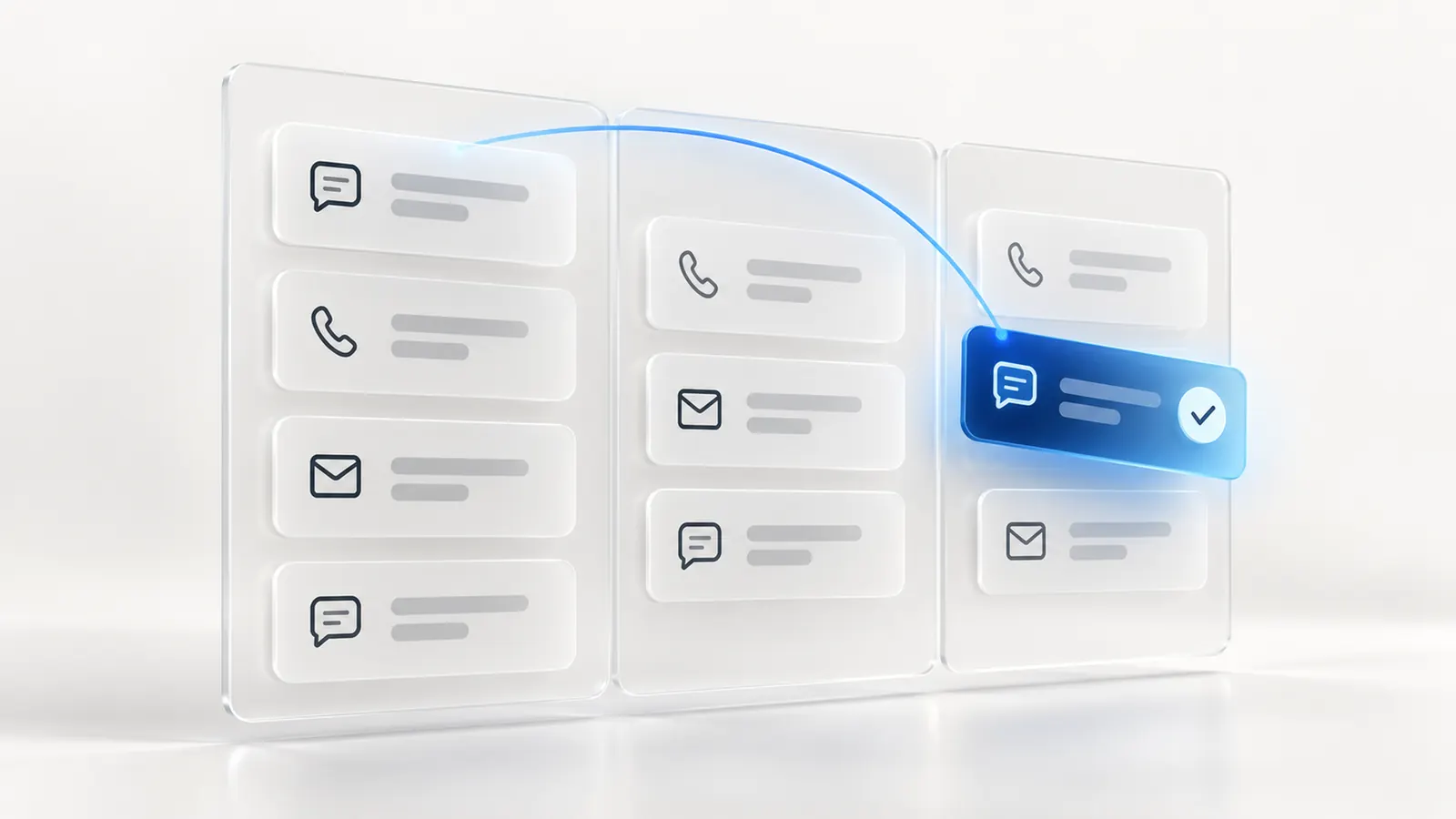
You don't have to force people into one channel. They'll reach out where they're comfortable. You do need one place where your team sees each open question, who owns it, where it stands and when the next reply is due.
Keep the question and its context together. ‘The same issue as last week’ needs the previous conversation. ‘Can you send the plan?’ needs the right project, version and promised action.
AI can help sort a messy message and write a short summary. It should keep the original message visible, especially when the request is personal or unclear.
Decide what needs attention first
A guest unable to enter the property may take priority over a general question about future stays. An agreed building deadline differs from an exploratory enquiry. Everyone deserves an answer; priority depends on needs and commitments.
Define urgency, what the team can handle and what needs the adviser or project owner. Assign pricing, scope and sensitive requests to someone who can decide. Set out what happens outside service hours.
AI can suggest a category and a short summary. Let the owner correct it. A model can miss the context, confuse two offers or overreact to a word like "cancel." A consequential decision needs the responsible person.
Then set the reply promise. If you can't answer right away, tell the person who's looking after it and when they'll hear back. Silence frustrates people more than a clear "We're on it. You'll hear from me tomorrow."
Close the loop
Someone checks that a document exists without sending it to the client. A question reaches the manager but stays in their inbox. A task is closed because a reply was sent even though the problem remains unresolved.
Assign one person to each enquiry and record the next action until the client gets an answer. Set a reminder for the promised reply date. If that person can’t resolve it, pass it to someone who can help. Reopen the enquiry if the client says the issue isn’t resolved.
For a stay, check that the guest receives the right instructions. For building work, check that the agreed quote or plan reaches the client. For a sale, check that the owner knows the next step and their contact.
Make it easy for your team
If you ask your team to fill in twelve fields for a two-minute question, they'll work around the system. Keep it light. Some details can come from the buyer record. AI can draft the summary and suggest a category. Your team only confirms what matters.
Separate internal notes from messages sent to the client. The team should be able to find the discussion needed to answer without showing the client messages that were not intended for them.
And name one owner at a time. Several people can help. One person knows they're responsible for the next reply. That's the easiest way to stop "I thought you had it."
Measure what buyers actually feel
You can track time to first reply, time to a full answer and questions overdue for an update. Those numbers help. They aren't the whole story.
Look at questions that come back about the same issue. Read the ones that were reopened. Ask whether buyers felt informed while they waited. A fast "Got it!" doesn't count for much if the real answer never arrives.
Repeated questions show what remains unclear about the offer or service. Explain the building scope, sale stages or stay terms. Make instructions easy to find. Removing the cause can be more useful than writing another reply.
What to do when channels collide
Imagine a homeowner emails a change to the quote, then sends updated plans through WhatsApp. With two separate tasks, one person works from the old version while another asks for plans already sent. Link the messages to the same request.
The person handling the request can reply: ‘I’ve received the updated plans and added them to your file. I’ll confirm this afternoon when you can expect the revised quote.’ The team can prepare the answer while one person keeps the client informed.
Build a first version that works
Start with the channel receiving the most useful questions. Keep one list with an owner, status and next reply date. Test a question that needs two people, then check the actual answer the prospect or client received.
Can both people see what happened? Does the buyer get an update? Does the question stay visible until the answer is complete?
Once that works, bring in the next channel. Keep checking that every open question has an owner and a next reply.